.jpeg)
.mobiletest4-ff3cf0ebc7f34521da707bfff43448567e4c69bcee9fd2f0cacdbc65e47f2ae8.jpg)









FAQ
Everything you need to know about renting an ATV for your Sonoran Desert Adventure!
-
Self Guided Desert ATV Adventure!
Includes:
Helmets / Goggles, safety briefing / vehicle operation lesson, GPS routes, on-call assistance info.
An optional desert comfort package is available for purchase at pickup including: dust mask, cooling mister bottle, and sunscreen.
PLEASE CAREFULLY READ THE FOLLOWING INFO BELOW:
-$75.00 Is the price per hour per ATV.
-We recommend a minimum duration of 2 hours to ensure enough time on the trails.
-Contact us by phone to inquire about heavily discounted rates above 2 hours.
-All riders must be at least 18 and carry a valid drivers license.
-All riders must carry a valid driver's license and credit card.
-All riders must read, agree to and sign the ATV Liability Waiver / Rental Agreement at pickup.
-We currently can not accommodate riders over 3 lbs. This is our vehicles weight limit.
* All riders must complete a mandatory safety briefing / operations lesson and pass a rider skill test to determine ATV operational competency before we will allow you to leave our premises with the vehicle. ATVs can potentially be challenging for some individuals to operate and we reserve the right to deny rental for any reason to those we determine incapable of safe and proper vehicle operation.
-
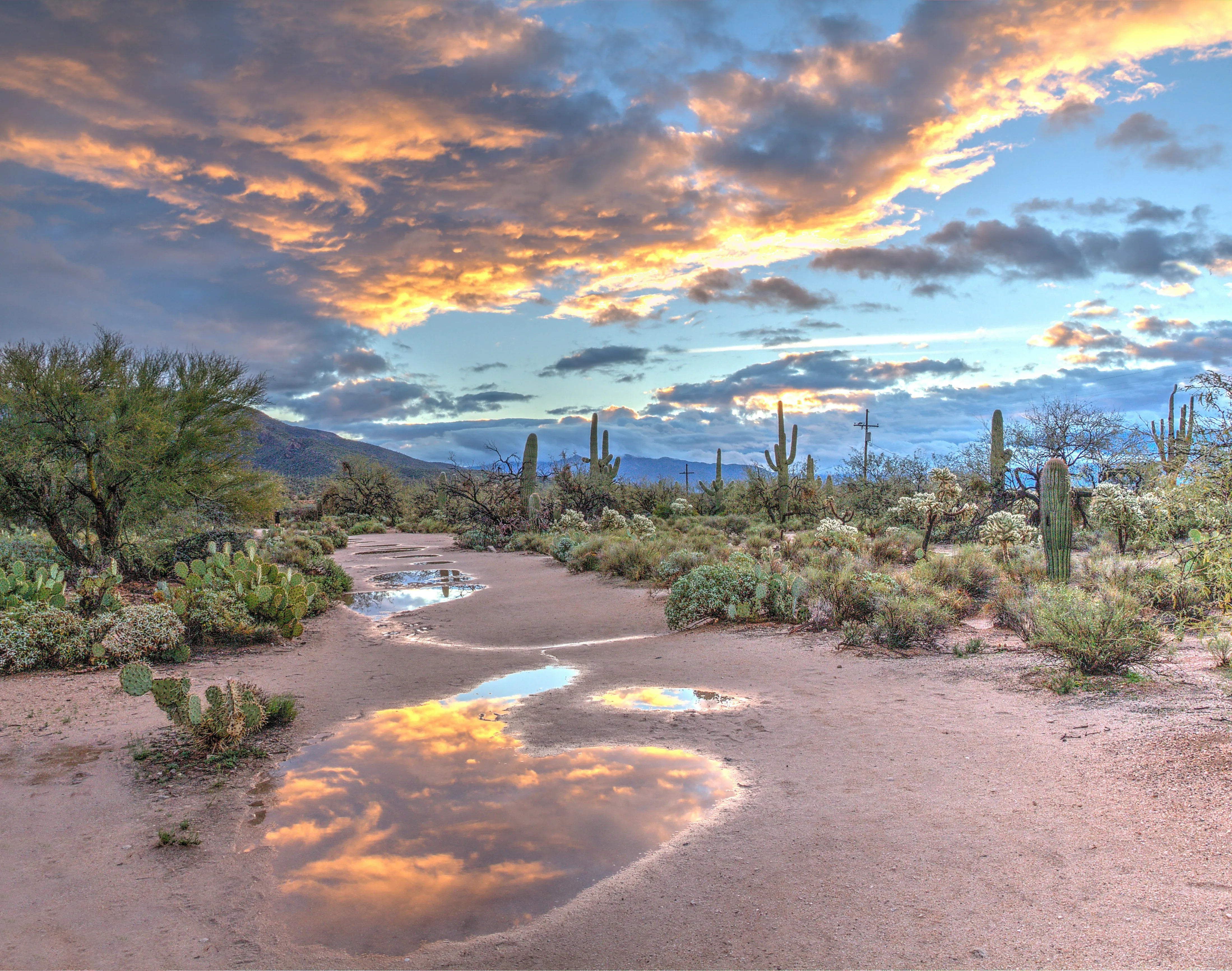
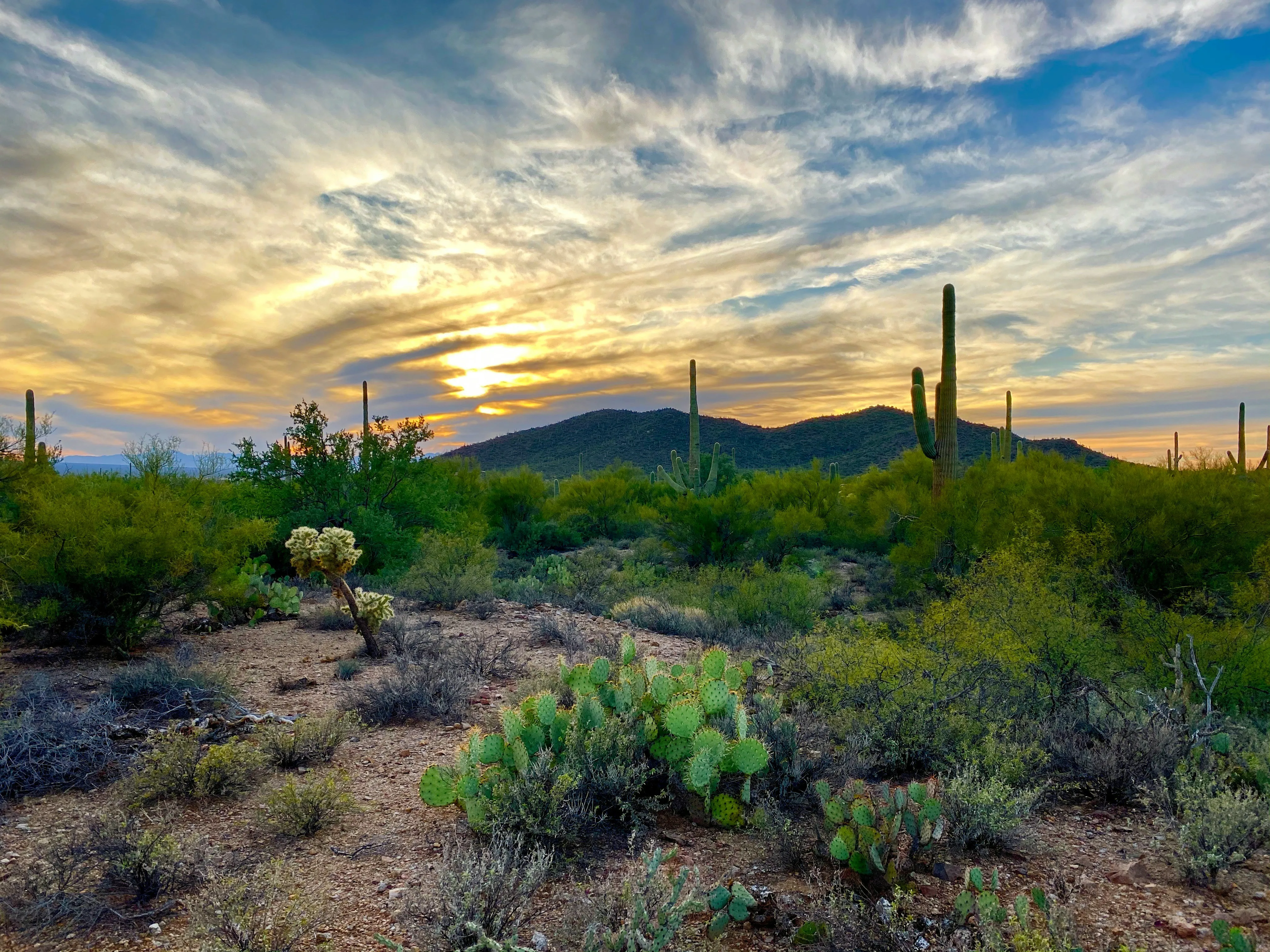
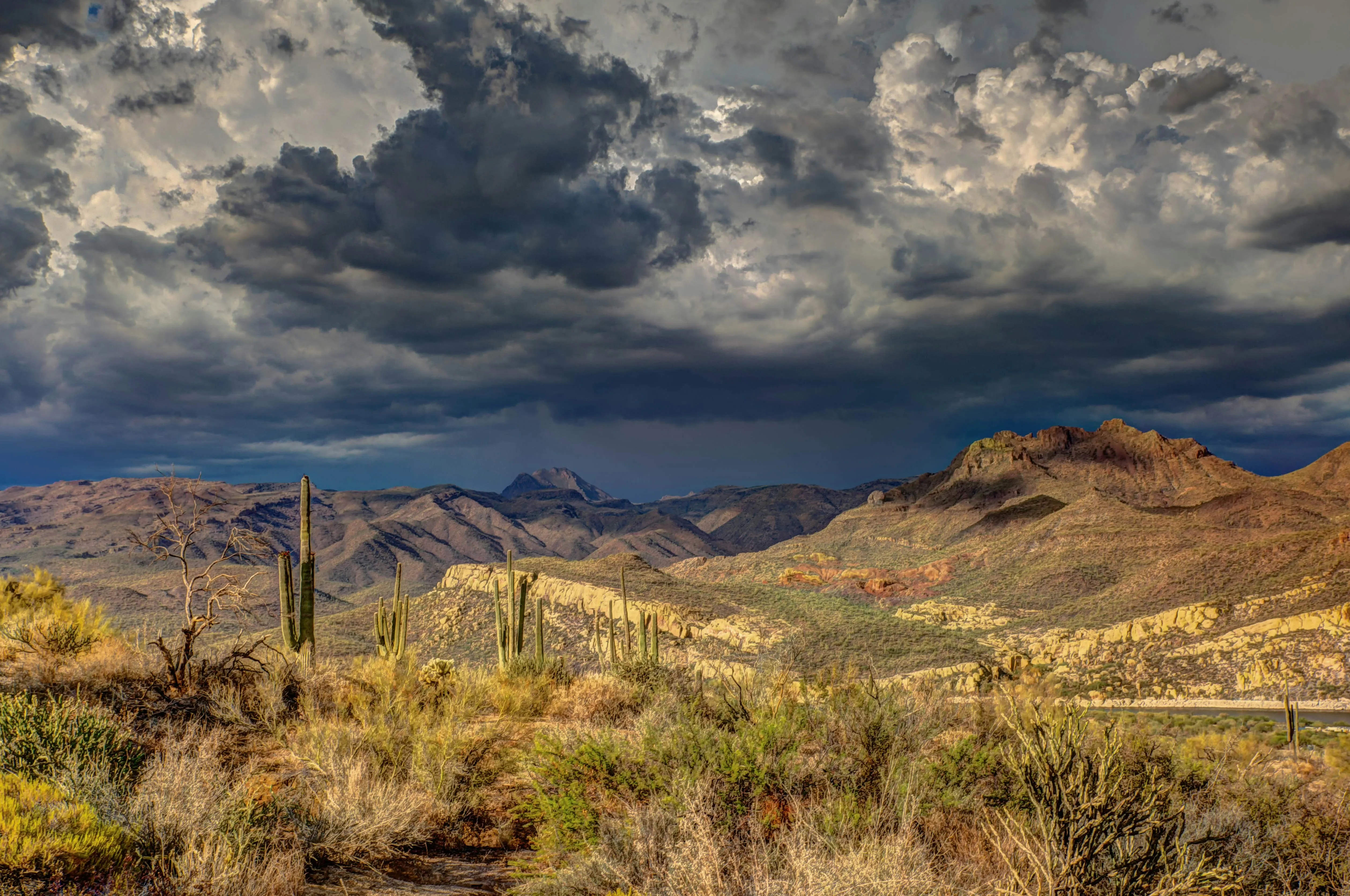
We are currently operating ATV Rentals in New River & Black Canyon City Arizona near some of the most beautiful scenic Sonoran Desert landscape in the state!
All of our ATVs are street legal and can be ridden on and off road.
We can provide MAP routes to match your riding style & preference!
-
All of our rentals are a self-guided experience.
We currently do not offer guided tours.
We can point you to the local trail systems, provide MAP routes and on call info assistance.
All customers are given a safety briefing / vehicle operations lesson and must pass a rider skill test at pick up.
-
ATVs can potentially be challenging to ride depending on one's physical fitness and ability. In general, ATVs are easy to operate for most.
If you are unsure if you will be able to safely operate the ATV, please call us with your questions prior to booking your ride.Phone: 623-341-2303
*We currently can not accommodate riders over 350 lbs. This is our vehicles weight limit.
Arizona's Sonoran Desert Information

Sonoran Desert Info
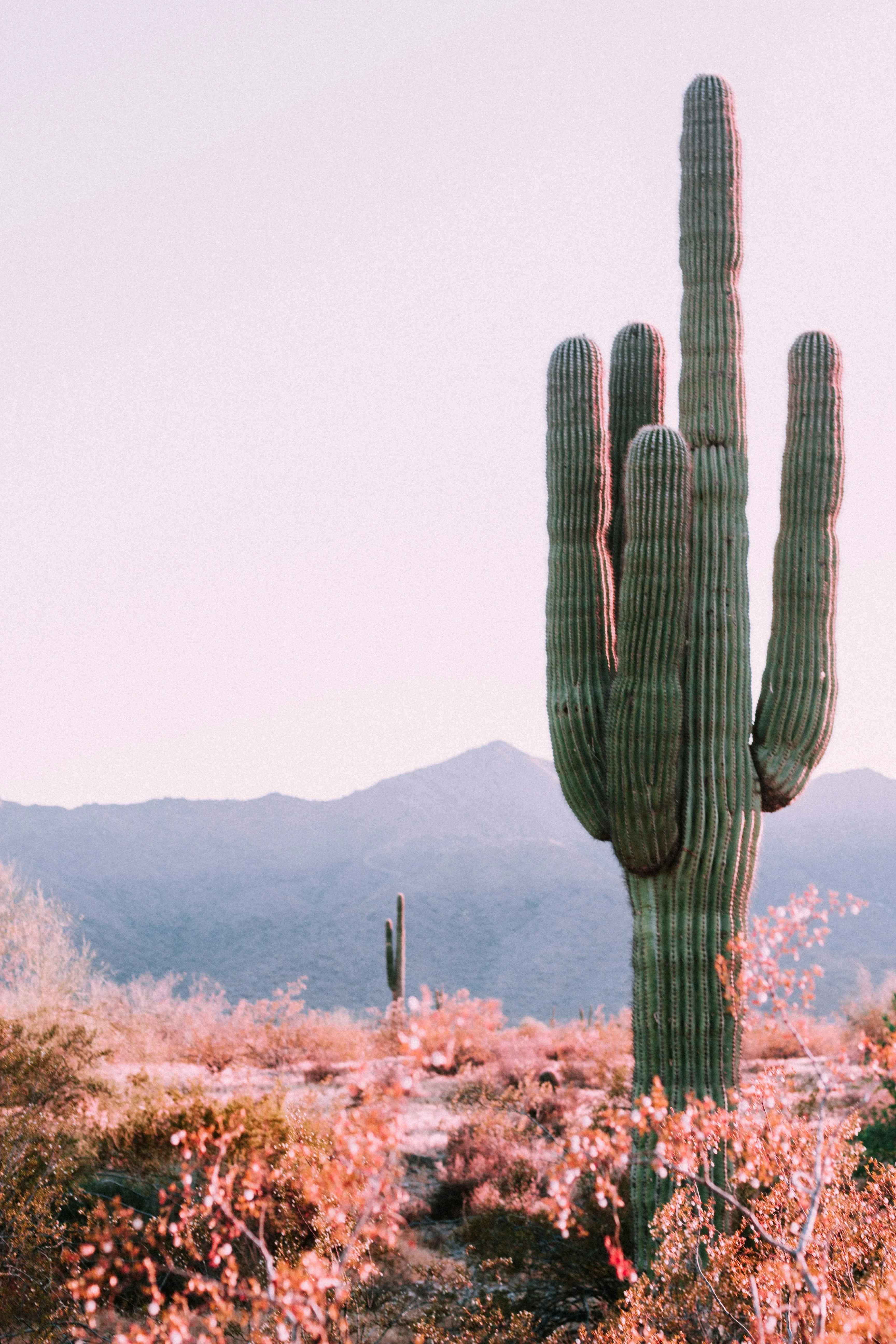
- Why is it called a "lush" desert? The Sonoran Desert is considered lush compared to other deserts due to its unique biseasonal rainfall pattern (winter rains and a summer monsoon). It is considered the wettest desert in the world! This precipitation supports a rich diversity of plants, including around 2,000 species, notably the iconic large columnar saguaro cacti and legume (Bean) trees.
- What is the climate like? It has a subtropical climate, receiving between 3 to 15 inches of rain per year. Winters are generally mild with rare frosts, while summers can see temperatures exceeding 120°F (49°C) in the driest areas.
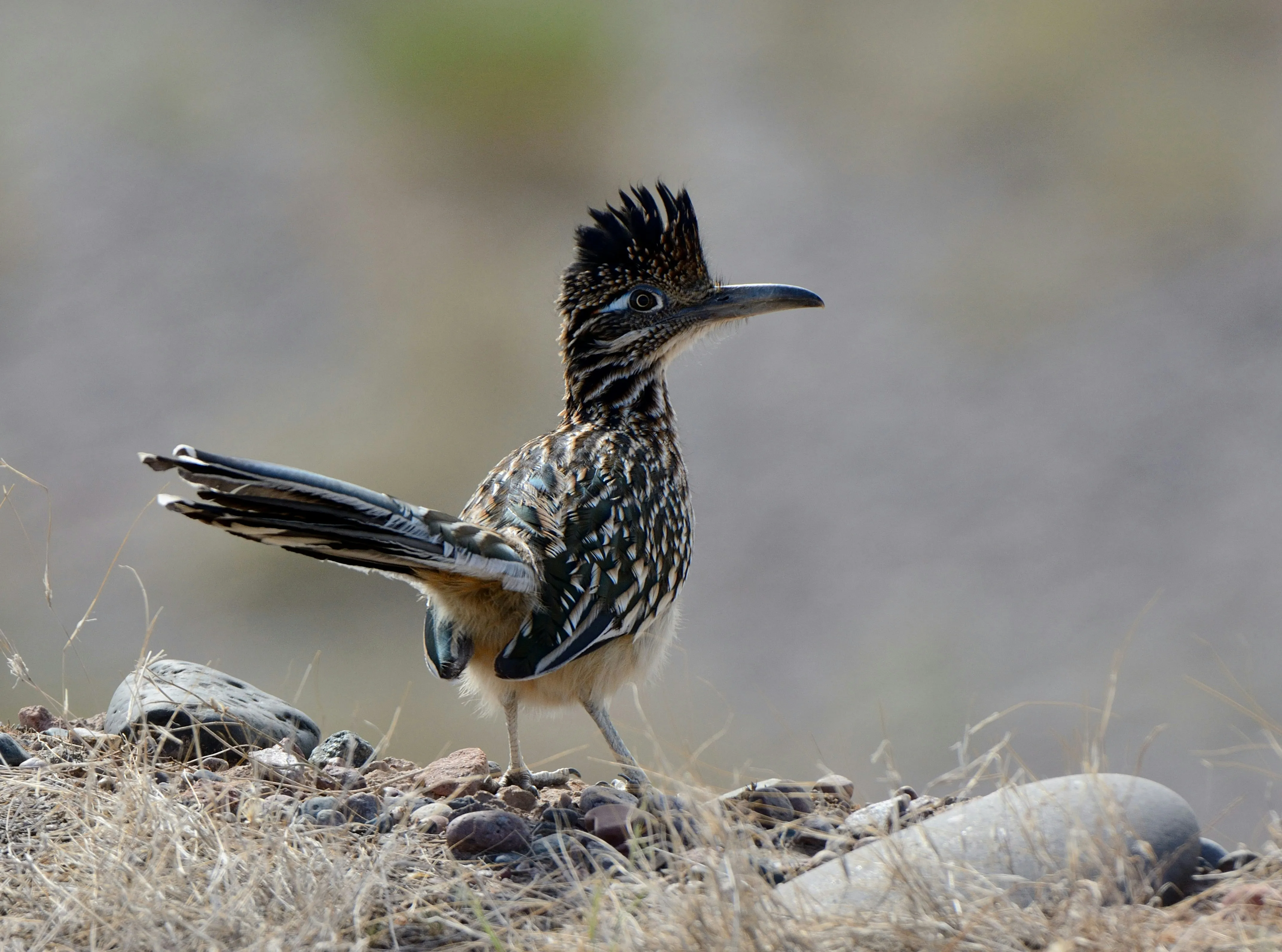
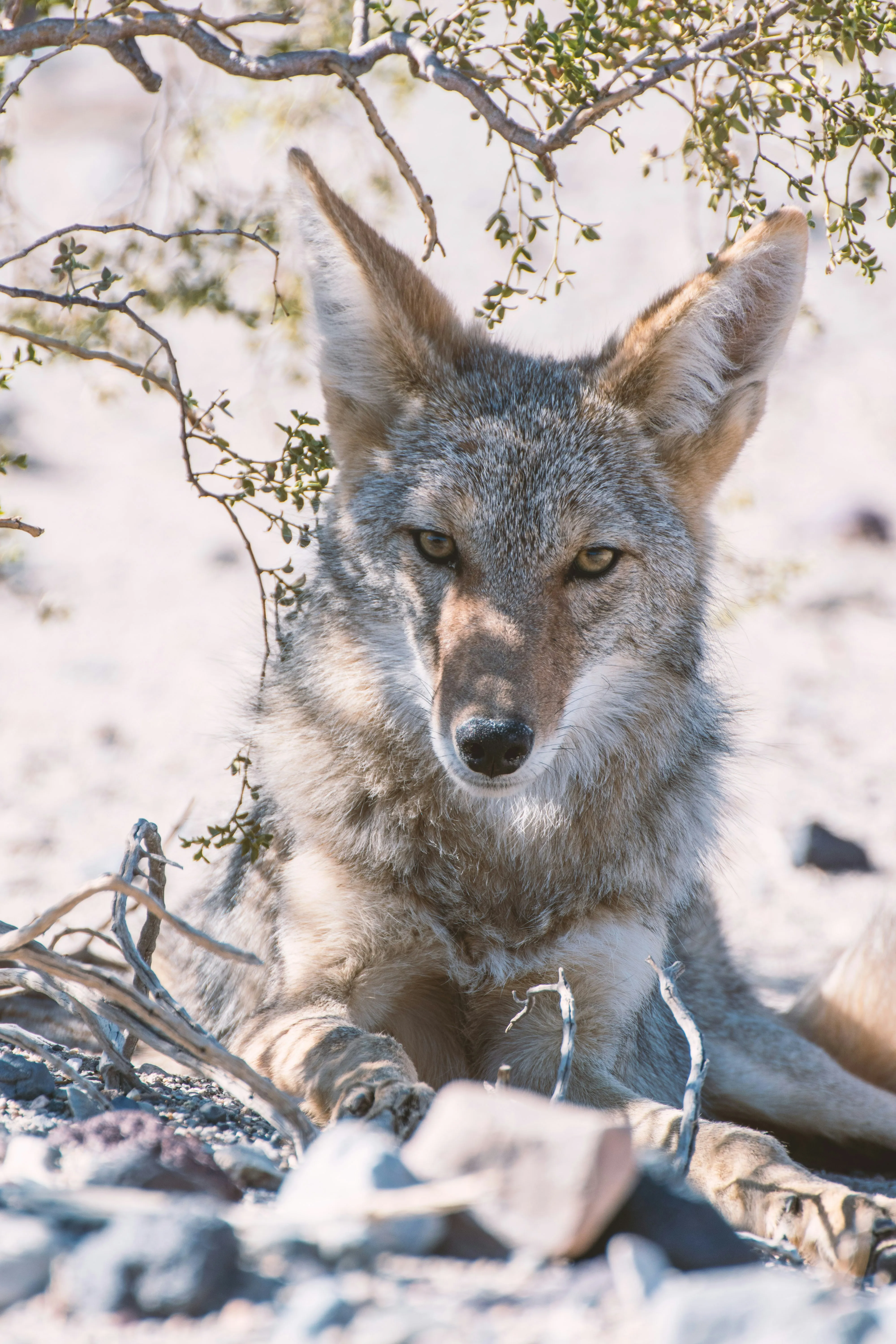
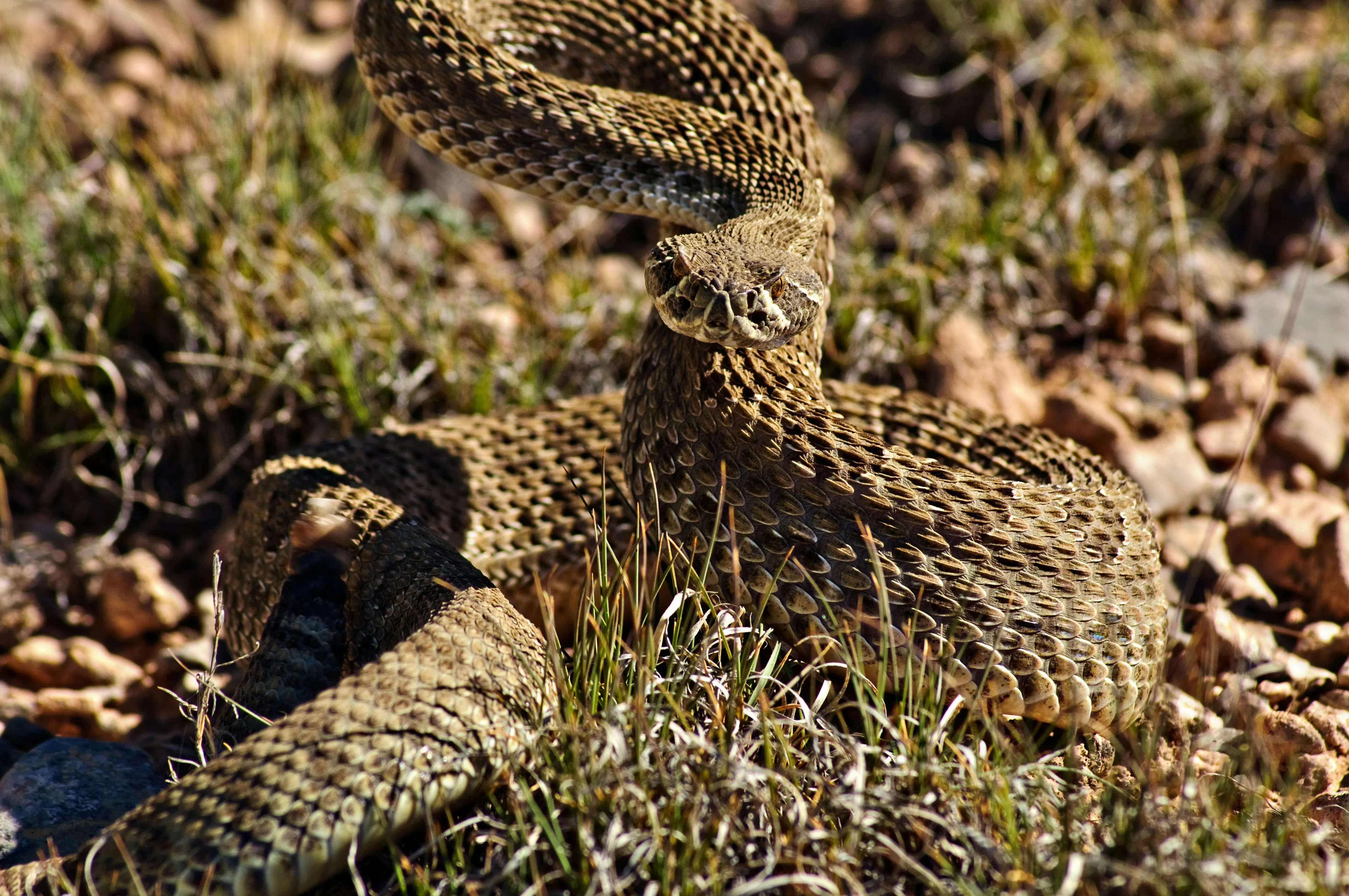
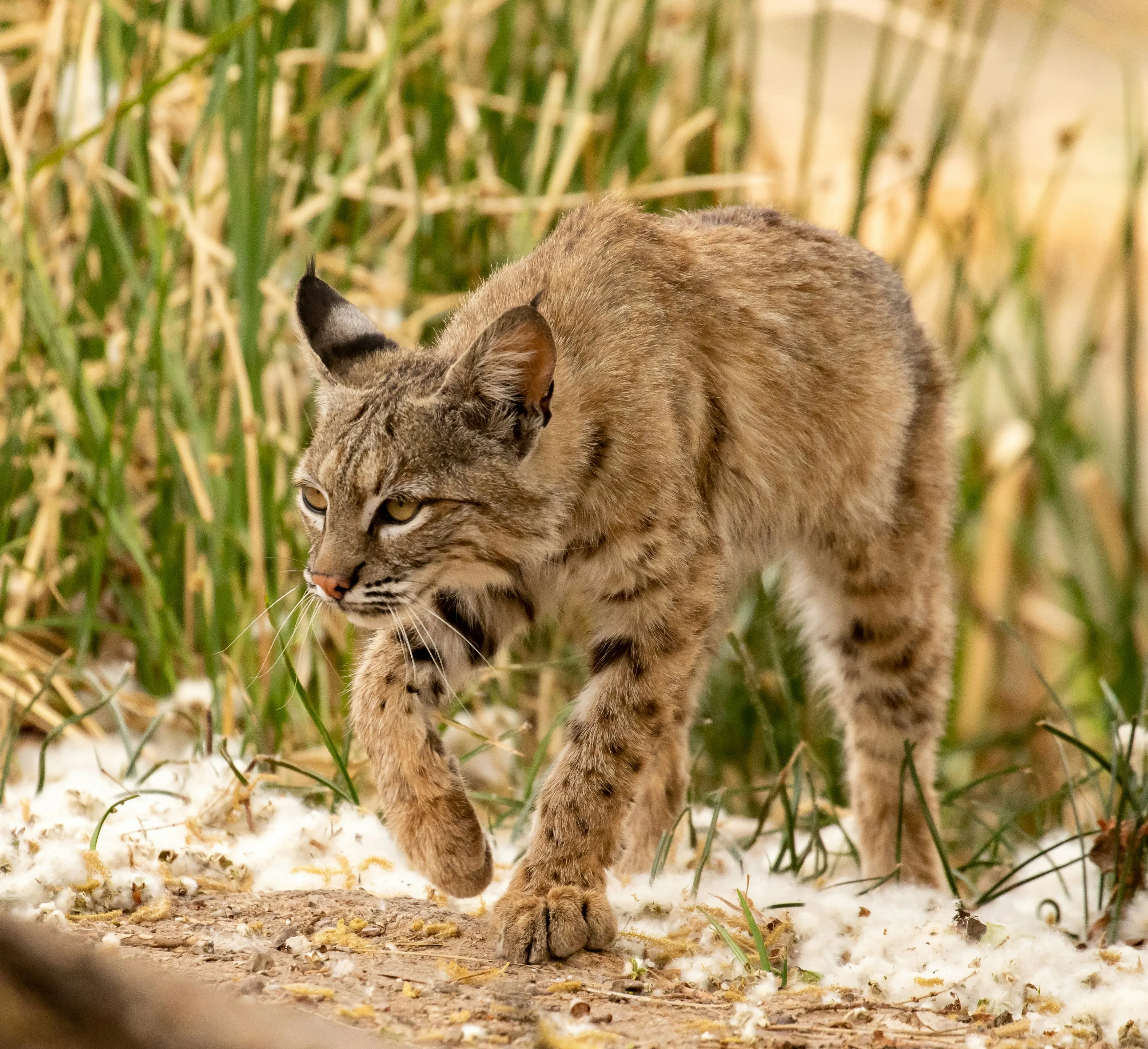
- What unique wildlife and plants are found there? The desert is home to a wide range of life, including diverse cacti like the saguaro, barrel, and prickly pear, as well as animals such as coyotes, road runners, bobcats, mountain lions, deer, porcupine, javelina, desert tortoise, rattlesnakes (6 subspecies in the desert areas, 13 total in the state), gila monster (one of only two venomous lizards in the world) scorpions, tarantulas and numerous bird species.
- How do animals survive the heat? Many animals are most active during the cooler nights (nocturnal) or during dawn and dusk (crepuscular). Others have adapted behaviors or physical features, such as the ability to store water or dissipate heat efficiently.
- If you are interested in more information about the Sonoran Desert, our staff can provide a wealth of local information.